
Introduction: The Heart of Pumping Systems
In the world of fluid handling, the pump is often considered the heart of the system. However, the electric motor is the muscle that makes it all possible. From water supply and HVAC to industrial processing and agriculture, motors are the primary drivers of pump systems, accounting for a staggering over 40% of global industrial electricity use. This article explores the vital applications of motors in the pump industry, the critical importance of energy efficiency, and the future trends shaping this essential technology.
Why the Right Motor is Critical for Pump Performance
Selecting the correct motor for a pump application is not just about matching power ratings. It directly impacts:
- Energy Consumption: Pumps are long-duty-cycle equipment. A slight improvement in motor efficiency translates into massive electricity savings over its lifespan.
- System Reliability: A properly sized and efficient motor reduces thermal stress and mechanical wear, leading to less downtime and lower maintenance costs.
- Total Cost of Ownership (TCO): While the initial motor cost is a factor, the energy cost over its operational life is the most significant expense. A higher-efficiency motor often offers a better TCO.
Key Motor Efficiency Standards: IE3, IE4, and Beyond
Global efficiency standards, primarily the IEC 60034-30-1, have revolutionized motor selection. For pump buyers and OEMs, understanding these classes is essential:
- IE3 (Premium Efficiency): The mandatory minimum standard in many regions like the EU and North America for most applications. IE3 motors are the baseline for new pump systems.
- IE4 (Super Premium Efficiency): Gaining rapid adoption, IE4 motors offer approximately 15% lower losses than IE3 models. They are ideal for pumps running continuously, such as in municipal water works or large cooling systems, providing a fast return on investment through energy savings.
- IE5 (Ultra Premium Efficiency): The cutting edge. While not yet widely available, IE5 technology (including synchronous reluctance motors) represents the future, targeting 20% lower losses than IE4.
Common Applications of Motors in the Pump Industry
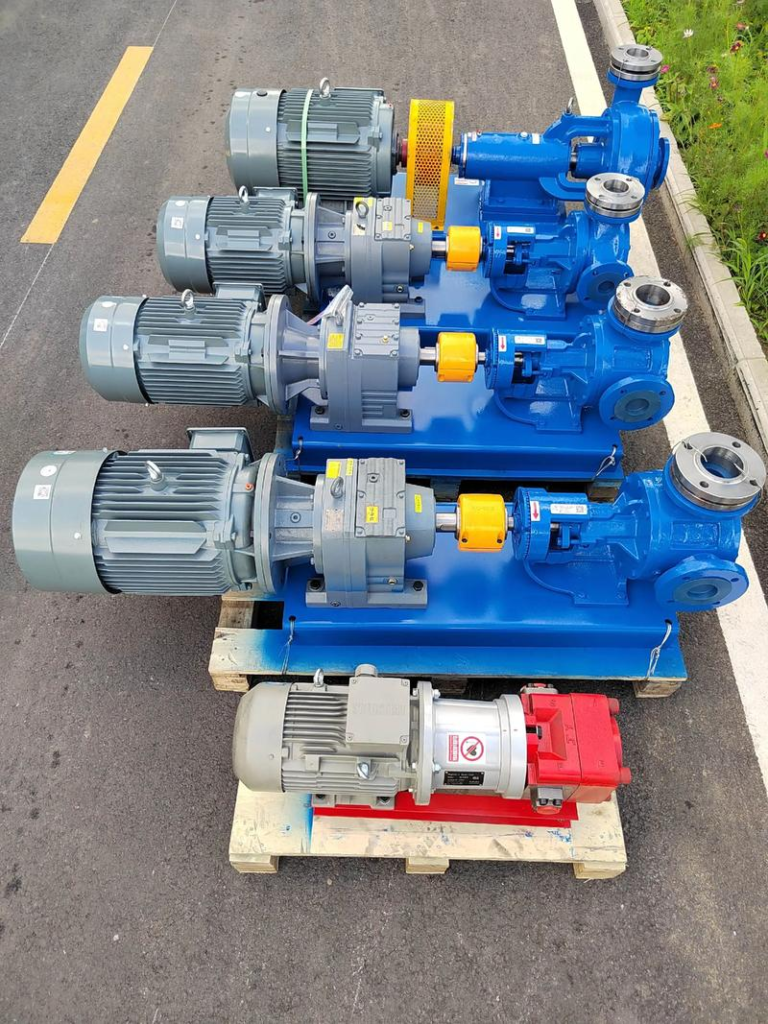
Electric motors power pumps across countless sectors:
- Water & Wastewater: For raw water intake, clean water distribution, and sewage transfer. High-reliability, high-efficiency IE3 and IE4 motors are standard to handle continuous operation and reduce municipal energy bills.
- HVAC Systems: Circulating hot and cold water in commercial buildings. Here, variable speed drives (VSDs) paired with efficient motors are crucial for matching pump output to demand, optimizing energy use.
- Industrial Processes: Chemical processing, oil & gas, and manufacturing rely on heavy-duty motors to handle aggressive fluids, high pressures, and explosive atmospheres (with Ex-rated motors).
- Agriculture & Irrigation: Powering centrifugal and submersible pumps to draw water from wells and rivers. Efficiency and durability are key in these often remote and demanding applications.
The Future of Motors in the Pump Industry: 4 Key Trends
The future of motor technology in pumping is intelligent, efficient, and connected.
- The Dominance of IE4 and Rise of IE5: With stringent global regulations (like EU Ecodesign) and a focus on sustainability, IE4 motors will become the new standard. IE5 technology will follow, pushing the boundaries of energy savings.
- Integration with Variable Frequency Drives (VFDs): The combination of a VFD with a high-efficiency motor is a game-changer. It allows the pump speed to be precisely matched to the demand, eliminating energy waste from throttling valves and reducing mechanical stress. This is the cornerstone of smart pumping systems.
- IoT and Smart Motor Systems: Modern motors are evolving into data hubs. Sensors embedded in motors and VFDs can monitor temperature, vibration, and power quality. This data enables predictive maintenance, alerting operators to issues like bearing wear or cavitation before they cause costly failures.
- Focus on System-Level Efficiency: The future is not just about the motor alone. Regulations and standards are increasingly looking at the overall efficiency of the motor-driven system (Motor System Energy Standard). This holistic approach encourages optimized pairing of motors, pumps, and drives for maximum performance.
Conclusion: Powering a More Efficient and Sustainable Future
The humble electric motor is at the core of the global push for energy efficiency and sustainability in the pump industry. Moving beyond standard IE3 models to adopt IE4 and IE5 super-efficient motors, and integrating them with VFDs and IoT sensors, is no longer a luxury but a necessity.
For system designers, plant managers, and procurement specialists, investing in advanced motor technology is one of the most effective strategies to reduce operational costs, enhance system reliability, and meet corporate sustainability goals. The future of pumping is efficient, connected, and intelligent, driven by continuous innovation in motor technology.